
Anal Gland & Digestive Support for Dogs - How Gut Health Affects Comfort and Behaviour
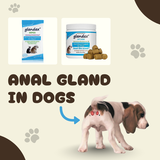

Understanding Anal Gland Issues in Dogs
Anal gland problems are far more common in dogs than most owners realise. Scooting, excessive licking, discomfort while sitting, or a strong unpleasant smell are often the first signs something is wrong.
While many people assume this is a grooming issue, anal gland discomfort is frequently linked to digestive health and stool quality.
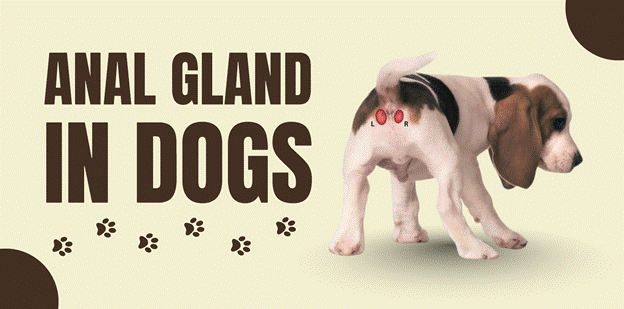
Dogs rely on firm, well-formed stools to naturally express their anal glands during bowel movements. When digestion is poor or stools are consistently soft, the glands may not empty properly. Over time, this can lead to impaction, inflammation, or infection.
Supporting digestive health is often the most effective long-term strategy for preventing recurring anal gland issues.
The Digestive System’s Role in Anal Gland Function
A dog’s digestive tract plays a direct role in anal gland expression. Fibre intake, gut motility, and stool consistency all influence how effectively the glands empty on their own.
When digestion is balanced, stools apply gentle pressure to the anal sacs during defecation, allowing them to empty naturally. When digestion is disrupted, this process fails.
Common contributors to digestive imbalance include food sensitivities, low fibre diets, sudden dietary changes, stress, obesity, and lack of regular exercise.
Over time, unresolved digestive imbalance can cause repeated anal gland discomfort, requiring frequent manual expression or veterinary intervention.
Why Fibre Matters More Than Owners Think
Fibre is often misunderstood. Many owners focus only on protein or fat content when choosing food, but fibre plays a crucial mechanical role in stool formation.
Adequate fibre helps:
- Improve stool firmness and bulk
- Support regular bowel movements
- Promote natural anal gland emptying
- Encourage healthy gut bacteria
This is where targeted digestive supplements can make a noticeable difference, especially for dogs with recurring anal gland problems.
Anal Gland & Digestive Support for Dogs
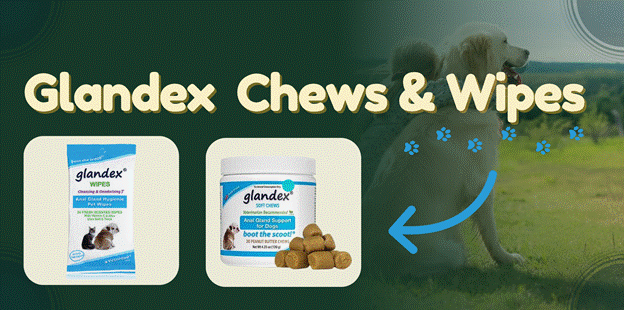
One of the most widely used supplements for anal gland and digestive support is Glandex Soft Peanut Butter Chews. These chews are formulated to increase fibre intake in a way that dogs readily accept, making daily use simple and stress-free.
Many owners introduce Glandex Soft Peanut Butter Chews as part of a routine for dogs who frequently scoot or require repeated gland expression. By improving stool consistency, the chews support the body’s natural ability to empty anal glands without discomfort.
Rather than treating symptoms alone, digestive support focuses on preventing the cycle from repeating.
When Hygiene Becomes Part of the Solution
Digestive support addresses the internal cause, but external hygiene also matters. Dogs experiencing anal gland discomfort often lick the area excessively, which can lead to irritation, redness, and bacterial buildup.
Using gentle, purpose-made wipes helps keep the area clean without causing further irritation.Glandex Anal Gland Hygienic Pet Wipes are designed specifically for this sensitive area and are often used after walks, bowel movements, or during flare-ups.
Hygiene support is especially useful for dogs with long coats, allergies, or sensitive skin.
Dogs Most at Risk of Anal Gland Problems
While any dog can experience anal gland issues, certain groups are more prone.
Purposeful bullets for clarity:
- Small and toy breeds
- Overweight dogs
- Dogs with food sensitivities
- Dogs with chronic soft stools
- Sedentary dogs with low activity levels
Understanding these risk factors allows owners to take preventive action early, rather than waiting for repeated discomfort or infections.
Behavioural Signs Owners Often Miss
Anal gland discomfort does not always appear as scooting alone. Many dogs express discomfort through subtle behaviour changes.
Alternate paragraph without bullets for natural flow:
Some dogs become restless, avoid sitting, or show sudden irritability. Others may lose interest in walks or grooming. Because these signs overlap with general discomfort, digestive causes are often overlooked.
Paying attention to changes in stool consistency and frequency can provide early clues before symptoms worsen.
Long-Term Management Rather Than Quick Fixes
Occasional gland expression may be necessary in some cases, but relying on frequent manual emptying without addressing digestion often leads to repeated problems. A long-term approach combines diet evaluation, fibre support, hygiene care, and routine monitoring.
This strategy helps dogs stay comfortable, reduces emergency vet visits, and improves overall quality of life.
When to Seek Veterinary Advice
Persistent swelling, discharge, bleeding, or pain should always be evaluated by a veterinarian. Supplements and hygiene products support wellness but do not replace medical treatment when infection or abscess is present.
Once acute issues are resolved, digestive and hygiene support can help prevent recurrence.
Final Thoughts
Anal gland discomfort is rarely just a surface problem. In most dogs, it reflects what is happening in the digestive system. By improving stool quality, supporting gut health, and maintaining proper hygiene, owners can break the cycle of recurring discomfort.
Products like Glandex Soft Peanut Butter Chews and Glandex Anal Gland Hygienic Pet Wipes fit naturally into a preventive care routine, offering dogs a more comfortable and balanced daily life.
Addressing anal gland health early and thoughtfully can spare dogs ongoing discomfort and help owners manage the issue with confidence rather than frustration.
Still have doubts? Contact us today to learn more.